
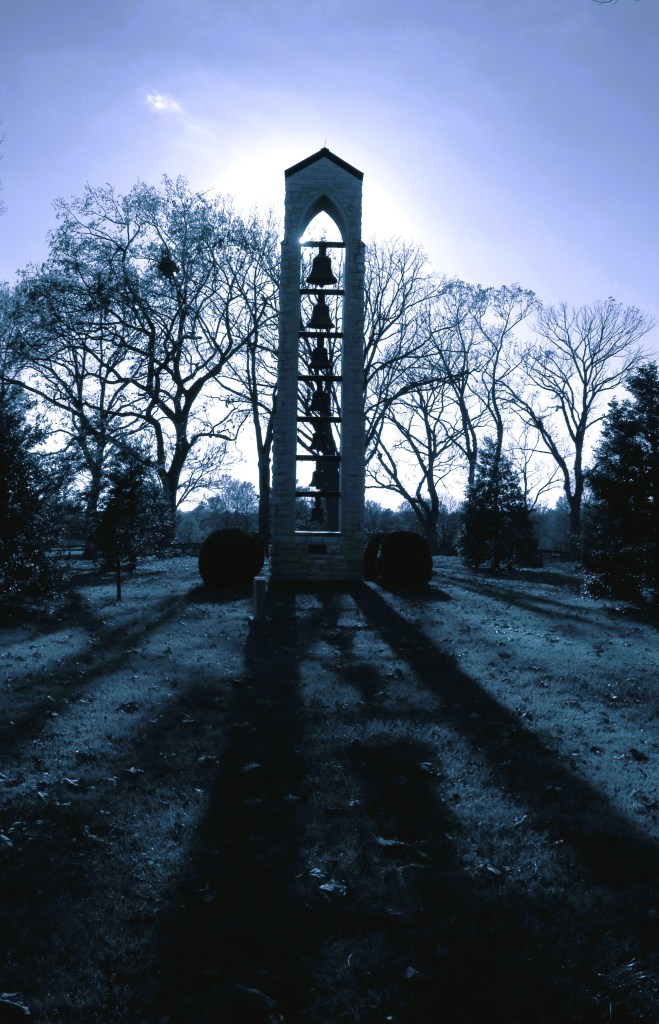
In Ezekiel 26, the city of Tyre appeared invincible. They were the financial and political powerhouse of their time, protected by huge walls and a sense of “god-like” significance. But verse 9 shows us that even the strongest human defenses are like paper before the Lord.
“He will direct the blows of his battering rams against your walls and demolish your towers with his weapons” (Ezekiel 26:9, ESV)
Today, we see leaders who act as if they control history. They boast, threaten, and create chaos, making us feel anxious. But Ezekiel reminds us that only God is the Lord and King. Judgment Day is what equalizes everyone. Those who see themselves as gods will eventually fall to their knees before the only true King. This isn’t just about punishment; it’s about restoring the right order. When man tries to sit on God’s throne, God will remind the world who truly owns it.
The most encouraging (and mysterious) part of God’s sovereignty is His ability to use “bad actors” for His divine purposes. In Ezekiel’s time, He used a pagan king to carry out judgment.
Even when the world feels chaotic, God is guiding the “blows.” Often, God allows earthly systems to be shaken so that the “shakable” things fall away, leaving only His Kingdom standing (Hebrews 12:27).
As a partner/owner of a handyman company, I’ve seen firsthand that sometimes we must tear out the rot before we can fix the house. God isn’t just a God of destruction; He is a God of restoration. He allows the “towers” of pride to fall so that people will stop focusing on their own achievements and begin looking at the Throne.
We watch the news and see chaos—leaders boasting about their power and walls they believe cannot be broken. But Ezekiel 26:9 reminds us that there is only one true King. The battering rams of history are in His hands. Whether He is building up or tearing down, His purpose is always to bring us to the end of ourselves so we can find our beginning in Him. Today, don’t fear the turmoil; trust the Architect.
Ezekiel 26:9 depicts a scene of violent upheaval. Large walls are torn down; weapons of war break what people believed to be everlasting. In today’s world, we experience this kind of “shaking” every time a new leader takes power or a global crisis emerges. It feels like the ground is shifting beneath our feet.
But then we have the promise of Hebrews 13:8:
“Jesus Christ is the same yesterday and today and forever.”
The rulers Ezekiel mentioned—and those we see on the news today—are subject to the cycle of “yesterday, today, and tomorrow” in time. They rise for a season, and they fall.
- The Puffed-Up Ruler: They believe their power is theirs alone.
- The Sovereign Truth: They are simply tools. God is the one who “removes kings and sets up kings” (Daniel 2:21). Because He is the same yesterday, today, and forever, His standards for justice and His authority over the nations never change. He was in charge during Ezekiel’s time, and He is in charge of today’s headlines.
It’s truly inspiring to realize that the God who directed the “blows of the battering ram” against ancient evil is the same God watching over our lives today.
- Yesterday: He brought down the towers of Tyre to prove His Lordship.
- Today: He is using the turmoil of our world to shake our reliance on earthly things.
- Forever: He will reign in a Kingdom that cannot be shaken.
When world leaders create chaos, our hearts often respond with fear because we focus on the change. We worry about what might happen tomorrow. But if God is the same forever, then His promises of protection, His plan for redemption, and His ultimate victory remain unchanging.
The world’s walls may fall, and its leaders may boast, but the Rock of Ages remains unmoved. He does not experience ‘bad days.’ He is never taken by surprise by a coup or an election, and His character stays as holy and powerful as it was the day He spoke the world into existence.
“When you look at the ‘walls’ being torn down in our world today, are you looking at the destruction, or are you looking at the Unchanging Hand that holds the tools?”
A Prayer for Peace
Father God,
Today, as we acknowledge that You alone are the High King over all the earth, we confess that our hearts are often troubled by the headlines and turmoil caused by the leaders of this world.
Still, we thank You for the truth of Your Word in Ezekiel 26:9. We thank You that no battering ram moves without Your hand, and no earthly power exists unless You have allowed it. We lift up the ‘puffed-up’ rulers of our day—those who believe they are gods and masters of their own destiny. We ask that You would use even their actions to bring about Your divine purposes, to destroy evil, and to lead hearts back to You.
We rejoice in the promise that even as the world changes constantly, Jesus Christ remains the same yesterday, today, and forever. You are the Anchor that never slips, the Rock that never cracks. When earthly kingdoms shake, we stay strong with our feet grounded in Your unshakable Kingdom.
Forgive us for relying on human walls for strength. Today, we choose to rest in Your sovereignty. We exchange our anxiety for Your peace, knowing that the Architect of the Universe remains on His throne and that You are working all things together for the good of those who love You (Romans 8:28).
In light of your truth and sovereign will, we plead for peace in the Middle East and protection for our troops and your people everywhere.
Bring comfort to those feeling overwhelmed by the world’s chaos and let Your light shine through the cracks of the falling towers of man.
In the mighty and unchanging name of Jesus,
Amen.
“It is he who sits above the circle of the earth, and its inhabitants are like grasshoppers; who stretches out the heavens like a curtain, and spreads them like a tent to dwell in; who brings princes to nothing, and makes the rulers of the earth as emptiness.” — Isaiah 40:22–23
“The loftiness of man shall be bowed down, and the haughtiness of men shall be brought low; the Lord alone will be exalted in that day.” — Isaiah 2:17
“Therefore let us be grateful for receiving a kingdom that cannot be shaken, and thus let us offer to God acceptable worship, with reverence and awe.” — Hebrews 12:28
“He changes times and seasons; he removes kings and sets up kings; he gives wisdom to the wise and knowledge to those who have understanding.” — Daniel 2:21
Challenge:
Each time you hear news that makes your heart sink, immediately whisper: ‘Jesus Christ is the same yesterday, today, and forever. Let His consistency quiet the chaos of the world.


 Faith Walk Ministries, Inc.