
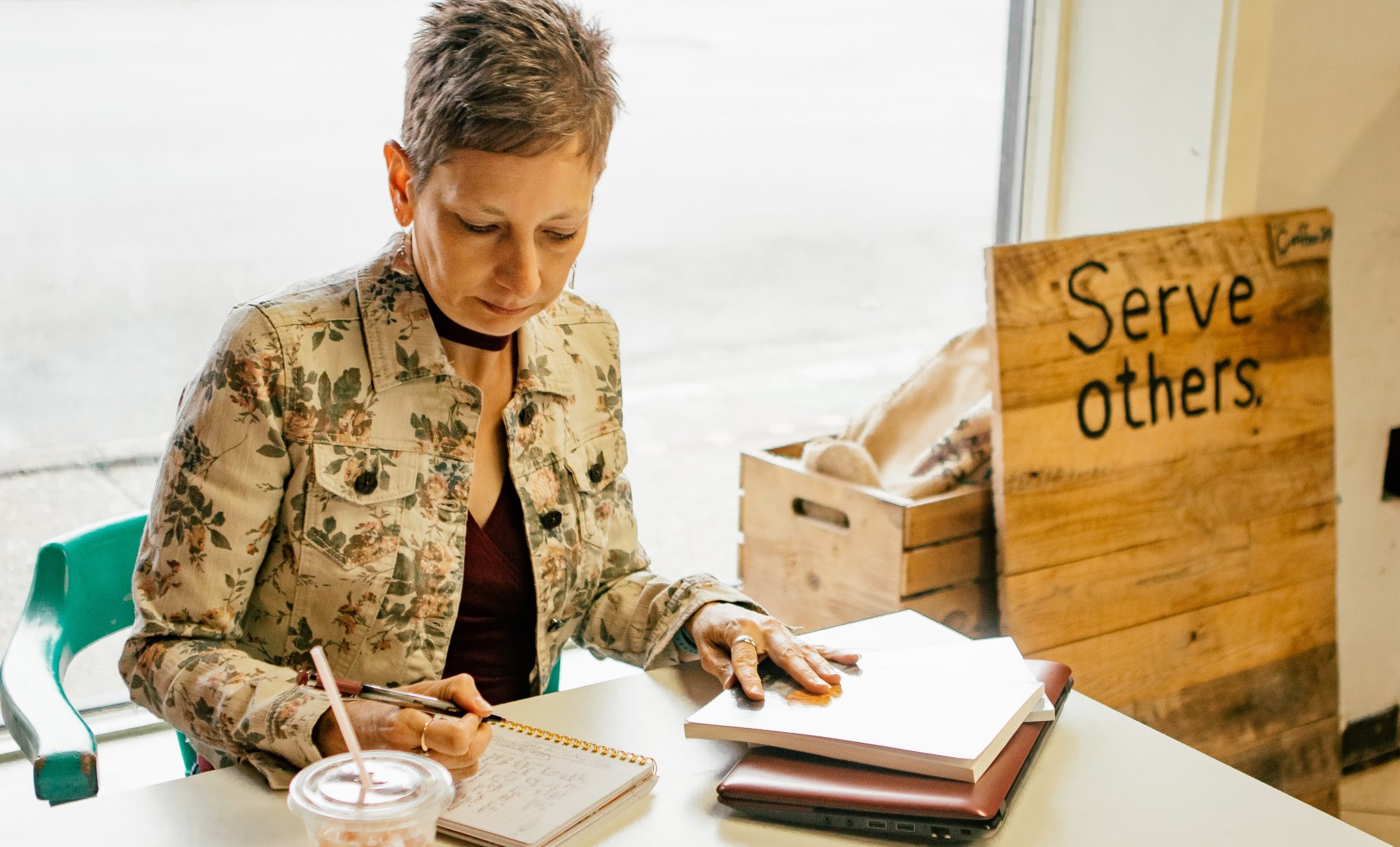

The Word of God is not just a text; it’s a potent force that can transform lives. In 2 Cor. 10: 4-5, Paul urges the Corinthians to seize every thought and make it obedient to Christ. This transformative power of the Word is our key, offering us hope and inspiration. With the guidance of the Holy Spirit, we, like Paul, can dismantle strongholds of wrong thinking and behavior, paving the way for a more enlightened and hopeful future.
John’s writing tells us that Jesus Christ is the living Word that reveals the glory of God—a pre-existing life-giving person (John 1:1-18, NLT).
The Word of God possesses the strength to create everything around us – including us – and demolish strongholds, a testament to its unparalleled power. The Holman Illustrated Bible Dictionary expounds that it represents Jesus’ message, the message about Jesus and Jesus Himself (Brand 1666).
The book of Psalms paints a majestic picture of how the Word, with its remarkable power, directs nature and comes to the aid of His people. This power is a testament to the divine origin of the Word and its ability to bring about miraculous changes in our lives.
“He sends his orders to the world – how swiftly his word flies! He sends snow like white wool; he scatters frost upon the ground like ashes. He hurls the hail like stones. Who can stand against his freezing cold? Then, at his command, it all melts. He sends his winds, and the ice thaws (Ps. 147: 15-18, emphasis added).
“He sent out his word and healed them, snatching them from the door of death” (Ps. 107:20, emphasis added).
The Word of God is not a passive entity; it is described as living, active, sharp, piercing, and discerning (Hebrews 4:12)—God’s utterance delivers awe-inspiring results, engaging us in a dynamic relationship with our faith.
Hebrews records that God’s promise and oath are unchangeable because God can’t lie. We can have confidence in our hope in Christ (Hebrews 6:18). The Word, as the Gospel message, gives us steadfast hope that is strong and trustworthy, like an anchor for our souls (v19).
With this in mind, we can claim every promise that is ours as His children and heirs with Christ (Gal. 3:29). Abraham never hesitated in believing God’s promises. He was convinced that God would do whatever He promised (Romans 4:20-21). We can have the same confidence today because God’s Word is God. God is Love (I John 4:8). He is the same yesterday, today, and forever (Heb. 13:8), providing us with a reliable anchor for our faith.
When He ascended to heaven, Jesus left us the gift of peace for our hearts and minds—one of many promises we can claim—something the world cannot give (John 14:27).
When we accept Christ, we receive a new heart and spirit. The Holy Spirit Jesus speaks of as our Advocate who reminds us of these promises and gives us hope to persevere. The OT also speaks of this, pointing to Christ when God showed Ezekiel in a vision that He can bring dry bones to life (Ezek. 37:1-14). The breath in this passage is the Spirit. These passages often end with God’s promise that He has spoken and will do what He says (36:36; 37:14).
When I surrendered my life to Christ, these dry bones came to life for the first time. The weight I was carrying from my past lifted immediately with the utterance of one question—God, what do you want? I had never asked this before because I was focused on what I wanted (or thought I wanted).
Can you relate?
Maybe it’s time to ask God what He wants for you.
“Come to me, all you who are weary and burdened, and I will give you rest. Take my yoke upon you and learn from me, for I am gentle and humble in heart, and you will find rest for your souls. For my yoke is easy and my burden is light” (Matt. 11:28-30, NIV, Emphasis added).
“From his abundance, we have all received one gracious blessing after another. For the law was given through Moses, but God’s unfailing love and faithfulness came through Jesus Christ” (John 1:16-17, NLT, Emphasis added).
According to The Holman Illustrated Bible Dictionary, reconciliation is the bringing together of two parties, a change or exchange (Brand, 1337).
We can all relate to reconciliation in some form or fashion, whether it be our bank statements that we end up dumping a few dollars into ‘reconciliation discrepancies’ or those who spend hours painstakingly looking for a few cents. Then there are the number of marriages that chalk their divorces up to irreconcilable differences.
The stark truth is that, according to Divorce.com, a significant 57.7% of divorces are labeled as irreconcilable differences. It’s a call to action that some of these couples might have spent more time balancing their bank accounts for a few cents than nurturing their marriages.
If any relationship merits this category, it would be humans with God after the Fall. Yet, in His profound love for us (Romans 5:8) and his unwavering desire to be in a relationship with His people (Hebrews 8:10), God made a way for us to be reconciled to Him by the gift of grace through Christ (2 Cor. 5:20, ESV).
There are two examples in the Bible where the person who hurt someone takes the initiative to reconcile the relationship (Matt. 5:24; I Cor. 7:11). The ESV Study Bible notes that the opposite is true about God. In our case, the injured party (God) takes the initiative to restore the relationship between Himself and humanity. This unexpected twist is the result of Jesus Christ bringing together God and man with the result of salvation (2 Cor. 5:19).
Only through this union are attitudes transformed, and we humbly and gratefully receive the gift of reconciliation God has already achieved in Christ (Rom. 5:11).
Still, suppose we don’t recognize our sinful nature and need for a Savior. In that case, we won’t seek God or the relationship Christ offers or receive the wonderful gift of reconciliation because of His love for us. Take a moment to reflect on someone you know who may need to hear the message of God’s love – or see it in how we show them love.
“For I am convinced that nothing can separate us from God’s love. Neither death nor life, neither angels nor demons, neither our fears for today nor our worries about tomorrow – not even the powers of hell can separate us from God’s love” (Romans 8:38, NLT, Emphasis added).
On my last few walks, I noticed a bubble wand on the sidewalk in front of one of my neighbors’ houses. For some reason, it made me think of the game show Let’s Make a Deal when they ask for random items from a pocket or purse. I am unsure why my brain instantly thought of this item as a potential article in someone’s bag, but I thought of my mom from there.
She would have been the perfect candidate for the game show, as she had multiple random items in her pocketbook on any given day, from bobby pins to ink pens and anything in between. Nevertheless, my favorite memory is that Mom kept snacks in her purse. Not just any ole snacks, either. I remember many road trips where she pulled out a chicken leg, usually wrapped in a napkin or tin foil, freshly sliced homemade bread with butter, and a wet washcloth wrapped in plastic wrap for our greasy fingers. She thought of everything.
Now, mind you, it was not uncommon for our mom to feed others as well—at ballgames, events, and school. It was sometimes embarrassing for us, but our friends liked sitting near her in the stands. As a room mother for five children, she spent considerable time at school over multiple years—so much so that my classmates thought she was a teacher. And she was—she just wasn’t on the payroll. And I would be remiss not to mention her famous sugar cookies.
My memories of Mom go far beyond her excellent cooking skills. She was also a prankster. She loved April Fool’s Day and Halloween. Although she never thought so, she had many skills and talents. Her ability to make others laugh, smile, or jump out of their skin (mostly Dad) was an incredible art form.
Although I think of her as a caretaker, prankster, baker, nurse, teacher, wife, mother, sister, friend, farmer, salesperson, and so much more – her identity was not found in any of those things. As I have discovered on my journey, when I identify myself only by the things I do or the titles I hold, there is no real meaning when things go awry. It can feel like we are losing pieces of ourselves.
The only way I can keep my sanity as I go through the trials and troubles of this life is to remember whose child I am – and I am not talking about my mom. When I remind myself that my identity is not found in the titles and talents I may or may not have but solely in Jesus Christ, as a daughter of the King, I am better equipped to get through the challenging days.
When we rely on temporary circumstances to make us feel complete, we can be devastated when those conditions disappear. But if we focus on the One who will never leave us, we can cope with bad grades, changing titles, losing jobs, and whatever else comes our way. It is not always easy, but with God, it is possible (Matt. 19:26, ESV).
As with Israel’s blindness to God’s identity, Isaiah records God reminding them He is their Savior, and for that reason alone, they should not fear—because they are His. Their guilty blindness does not define them, but the grace of the One who says, “You are mine” (Exodus 6:7; Is. 43:1). Isaiah 43:4 assures them and us that we are precious in God’s eyes, and He loves us. (V5) “Fear not, for I am with you.”
Therefore, our identity is not in temporal things that can disappear tomorrow but in God, who never leaves or forsakes us (Deut. 31:8). No matter what changes in this life, nothing can ever take that away if we have accepted Christ in our hearts (Romans 8:39).
Maybe the bubble wand reminds us that this life is temporary; no matter how magnificent it is, it only produces limited results that will burst on impact—gone forever. Still, when we are kingdom-minded and seek Christ above all else, we are forever His now and in eternity, and we can find joy in that no matter our circumstances.
Let’s make a deal: Make sure Christ is always at the top of the list of things we carry with us—just in case anyone asks.
“But in your hearts honor Christ the Lord as holy, always being prepared to make a defense to anyone who asks you for a reason for the hope that is in you; yet do it with gentleness and respect” (I Peter 3:15, Emphasis added).
According to The University of North Carolina at Chapel Hill in their Campus Health newsletter, “A trigger is a stimulus that elicits a reaction. In the context of mental illness, “trigger” is often used to mean something that brings on or worsens symptoms. This often happens to people with a history of trauma.”
Triggers can show up when we least expect them. The above article also provides more information about triggers and responses to them that may be helpful. Someone recently said that a trigger is an area where healing must occur. That can be true for some, but for others who have received healing, it can be a warning – perhaps it is like when we touch a hot burner – if we’ve been burned before, our reaction is imminent.
Triggers can also act as signals, alerting us to potential harm. With self-awareness and discernment, we can heed the messages our body and brain are sending. Often, a red light flashes, indicating a situation that mirrors a past experience of pain or hurt.
That is not to say that the person or thing triggering the alert always intends to harm us, but spiritual discernment is necessary. So, how do we know if the situation is harmful or if the trigger is negatively affecting our emotions and causing the reaction?
Our emotions can sometimes lead us astray, but we can always take a step back, breathe, and seek the truth. Are the person’s actions and words in harmony? Do they align with the principles of love from a biblical perspective (I Cor. 13:4-7)? If these truths are evident, are we allowing the fear of being hurt again to cloud our judgment? This is a tactic of the enemy. Satan would love to sow discord in godly relationships. If you give him an inch, he’ll take a mile. That’s why it’s crucial to recognize his strategies and ask God to remove anything not of Him – or, as I like to say – shoot him in the foot.
Reminding ourselves of God’s promises and who He is also helpful. There are many, but three things immediately come to mind: peace, comfort, and trust. Our God is an everlasting rock (Is. 26:4, ESV), whom we can trust. He comforts those seeking Him and pursuing righteousness (Is. 51:1-3). He offers perfect peace to those who have faith in the promises of God (Is. 26:3).
The promise of God finds their Yes and Amen in Jesus Christ (2 Cor. 1;20).
Jesus told His disciples – “Peace I leave with you; my peace I give to you. Not as the world gives do I give to you. Let not your hearts be troubled, neither let them be afraid” (John 14:27, emphasis added). That is also a promise for us. Instead of worrying, we can be thankful and pray in all circumstances (I Thes. 5:18), releasing it to God, who can carry the weight. I often find myself praying for God to take all the things that are too heavy for me, which ends up being most things – but that is okay – He is a good Father who delights in lifting our burdens and giving us rest (Matt. 11:30).
When the Lord comforts Zion through Isaiah, he reminds them to look to the rock from which they were hewn and to the quarry from which they were dug (Is. 51:1). It may seem like a strange statement, but those seeking the Lord can take great comfort in these words, knowing that we are secure in the One who created us. We can be reassured that “Jesus Christ is the same yesterday and today and forever” (Heb. 13:8). The Rock is a source of protection.
If you have sensitive triggers from past hurts, like me, take time to sift through your emotions, ask God what is true, look to the Word for comfort, and pray for discernment. Use your spiritual weapons to cut off anything not of God, and cling to His promises for ultimate peace and relief as you put your trust in the only One who can carry the burdens for you.
Triggers are not all bad, but they must be discerned as we keep our emotions in check, not allowing them to take over our thoughts and keep us from living our best lives in the moment without worrying about what might happen tomorrow. As a friend recently said at church, ‘Tomorrow is not promised.’ (His mom said it when he was growing up, and now he can relate). What a fantastic perspective to adopt.
Triggers are real, and I am not dismissing them or the painful emotions they cause. Instead, I want to share these truths and the hope that we can overcome them through a relationship with Christ, our Rock, and Redeemer of all things. It’s not always easy – but it is possible with God’s help.
“Do not be anxious about anything, but in everything by prayer and supplication with thanksgiving let your requests be made known to God. And the peace of God, which surpasses all understanding, will guard your hearts and your minds in Christ Jesus” (Phil. 4:6-7, emphasis added).
“Your Word is a lamp to guide my feet and a light for my path” (Ps. 119:105, emphasis added).
Smiles, like yawns, are contagious. If you share one, you’ll likely get one in return. But the benefits of smiling go beyond this simple exchange. As Dr. Earlexia Norwood of Henry Ford Health points out, smiling has multiple benefits. Yet, we often smile less as we age, missing out on the opportunity to connect with others.
The article states that studies conclude that some benefits are reduced blood pressure, increased endurance, reduced pain and stress, and a strengthened immune system. Furthermore, when we smile, we are not just helping ourselves; since the domino effect is at play, we are also helping others.
Another article by Better by Today on NBC News Now says that smiling, even when we don’t feel like it, can trick the brain into thinking we are happy, resulting in the same benefits. It states that smiling spurs a chemical reaction that releases hormones, including dopamine and serotonin.
The Bible also says something about smiling – or a cheerful face – which comes from a glad heart, indicating a positive attitude toward life when the inner self is healthy (Proverbs 15:13, ESV). It continues, pointing out that a joyful heart is good medicine, while a crushed spirit dries up the bones (Proverbs 17:22).
Going through life with a sour attitude and face can harm us. Smiling is linked to a positive attitude derived from our relationship with God and the condition of our inner heart. It is not always easy to stay positive and keep our eyes on Christ when things are not going well. Nevertheless, staying grateful for the blessings we have will help. One day at a time is the pace of grace. Waking up with breath in our lungs is something to be grateful for.
Recently, I asked God for a new perspective, and boy, He delivered! The very next morning, a friend at church shared a story about a man in Haiti whose knee got infected after surgery because he couldn’t get back to the doctor’s office to take off the metal plate due to gangs blocking the streets. He made a connection for him through another person, who arranged for him to get to a doctor 300 miles away, traveling in a small vehicle full of 40-50 people. It took three different trucks to get him there, but as of Monday, he was having surgery. There are many more details that I am sure I am leaving out, but you get the idea. This story hit me hard and reminded me that people are dealing with much worse things than my feeble problems.
Can you relate? Do the blessings we have every day that most take for granted make you smile? That and the fact that God loves us, no matter what should make us keep a smile on our faces. Thanking God for everything makes a big difference in our attitude and perspective. Can you list all the things that make you smile?
“Rejoice always, pray without ceasing, give thanks in all circumstances, for this is the will of God in Christ Jesus for you” (I Thes. 5:16-18, Emphasis added).
As kids, our dad took us fishing on many occasions, sometimes at Lake Reba, one of the ponds on our farm, or on the banks of the Kentucky River that ran near our property. Much like other childhood memories, he ensured we were cared for, from baiting our hooks to removing any fish we might catch to retrieving our tangled lines out of the trees (mostly the latter, in my case). And let’s not forget the chicken liver-baited hook slapping into the eye incident. We somehow survived.
As I got older, I still enjoyed fishing. As you may recall, after many years of dreaming about fly fishing, I finally crossed that one off my bucket list. You can read that blog here. It was a fantastic experience, and as I stated in the article, I loved wearing the waders way too much.
I’ve often wondered what the fish symbol meant in Christianity when I saw it on the back of cars. I eventually related it to Matthew 4:19, where Jesus called His first disciples, asked them to follow Him, and promised to make them fishers of men – without deeper consideration on my part.
In The Holman Illustrated Bible Dictionary, I recently cast my net a little further and found that the early Christian church used the Greek words “Jesus Christ, Son of God, Savior” as a cipher that spelled ichthus. The fish became a standard Christian symbol used as a secret code (Brand, 576).
Furthermore, in the Old Testament, fish in a net symbolized God’s judgment (Ps. 66:11; Ezek. 32:3). Jesus compared the Kingdom of Heaven to a net thrown into the sea and loaded with an array of fish in many varieties (Matt. 4:18-19, Brand 576).
The beginning of Jesus’ earthly ministry was preceded by baptism by John the Baptist and God, the Father, announcing Him as His Son. Once John was thrown in prison, Jesus knew His time had come. He began teaching the gospel message. Jesus’ ministry, as denoted by the New Living Translation Study Bible, had three main features: teaching, announcing the Kingdom, and healing. Matthew 4:12 – 11:1 shows that after being announced by John the Baptist and the Father (3:13-17) and His obedience by enduring testing in the wilderness (4:1-11), Jesus the Messiah was prepared for ministry.
Likewise, after we are baptized and announced clean by the Father, the Holy Spirit immediately enters our hearts and helps us fight against the temptations of our past; we are equipped to proclaim the gospel message to others.
We must sometimes put on our waders (God’s armor) and tread the creek beds where the fish are – allowing God to help us fight our spiritual battles as we cast our nets further and point others to Christ by how we live. It takes a leap of faith to go where God leads us. Sometimes, suppose we stay on the bank instead of following, we can get entangled in the trees around us or symbolically slapped in the face with chicken liver – anything the devil uses to keep us from going – fears, doubts, trust issues. Just as my dad took care of all our needs while fishing, our heavenly Father ensures we have all we need as we fish for His people.
Jesus’ first message shows us that we must repent and turn to God to follow Him (Matt. 4:17, ESV). Letting others know there is hope is good, but helping them realize they need hope in Christ is essential. We must first see our brokenness to recognize the need for our Savior, Jesus Christ.
How can you strap some waders on this week and cast your net for God?
“The harvest is plentiful, but the laborers are few” (Matt. 9:37, Emphasis added).
I love the imagery of God, the Father, anointing Jesus Christ as His Son with great Joy.
The Holman Illustrated Bible Dictionary defines anointing as rubbing a person or thing, usually with oil, to heal or set apart. It says we can anoint ourselves, anoint others, and be anointed. The Hebrew verb mashach, or messiah (noun), and the Greek verb chrio, or christos (noun), are translated as “to anoint.”
In the Old Testament, kings and priests were anointed to official capacity through a ceremony that symbolized God’s power upon them, an act that permeated an element of awe. The New Testament uses the word to describe daily grooming (Matt.6:17, ESV), healing (Luke 10:34), and preparation for burial (Mark 16:1).
God anointed Jesus Christ as King. The author of Hebrews quotes Psalm 45:7, expressing God’s verification of Jesus’ identity to all as His Son, with the oil of gladness (Heb. 1:9). Christ did not exalt Himself. He was appointed by God, the Father (Heb. 5:5).
Oil was regarded as a luxury and a symbol of joy. Olive oil was commonly used in the Bible and was highly regarded as a symbol of honor (Judg. 9:9), blessing, and prosperity (Job 29:6).
Jesus Christ was already Creator and God’s Son (John 1:1)—God was exalting Him to reveal Christ as a divine, just, and superior high priest offering a better covenant (7:22, NLT), better promises (8:6), and better hope (7:19), leading to something better for those who believe in Christ (11:40).
Jesus is the Anointed One – the Messiah – and Savior (Acts 10:38). The OT used this symbolism to show God’s presence and power. Similarly, Christians are anointed by God (2 Cor. 1:21); I John 2:27) for the commissions of ministry (Brand, 2015, pg. 69).
Jesus’ earthly prayers were heartfelt, earnest, and tearful (Hebrews 5:7). His reverence formed the basis of His prayers, which were answered, to intercede for and help every Christian (Romans 8:34). His resurrection saved Him out of death – showing his submission to the Father as He waited on His answers.
People may not consider anointing for cleansing, purifying, protecting, or healing today. Still, it is powerful when accompanied by the Holy Spirit and Jesus Christ’s mighty name in prayer. The oil itself doesn’t have power, but the name of Jesus Christ holds the awe-struck power. We can set ourselves apart as holy – a vessel for God – useful to our Master and ready for every good work, cleansing ourselves from what is dishonorable (2 Timothy 2:21).
Spiritual weapons are robust against the doubts and fears the enemy tries to throw at us, especially when we are doing God’s work. With intercessory prayers, we can anoint others and our homes for protection.
Food for thought: Perhaps we can symbolically anoint ourselves with the oil of gladness and ask God to protect us so that we can avert the enemy’s tactics of keeping us from God’s good work.
Our joy isn’t dependent on our circumstances but comes from our relationship with God, regardless of our circumstances.
I’ve written about dogs’ purpose before—how God must have created them for human companionship. Dogs seem to show up when we need them and can teach us many lessons. A dog comforts us even when others don’t know what we are going through. They listen and seem to understand when no one else does. They are known for their faithfulness, loyalty, and obedience and are eager to please.
They sense something is wrong, offer a loving nudge with the nose, and are almost always willing to snuggle. When my son lived with me several years ago, his dog was part of the bargain. I always felt they needed each other equally. Allie was a loving and intelligent dog – but also anxious, and before she got used to the new neighborhood, she would run off at the first chance.
She had only been here about three months when I fell with her and broke my arm in the wee hours of the morning. I dropped her leash, but instead of running off, she stayed with me, hovering over me and licking my face with concern.
When I was two, my dad brought home a puppy, and we named him Rusty. The two of us grew up together. He was the cleverest dog I’ve ever known. From carrying kittens out of the driveway one by one so we could pull in to bringing up the milk cow when mom went out the backdoor with a bucket. It was the mop bucket a few times, and the cow was a bit confused, but that didn’t bother him. He also caught and held a loose chicken down with his paws until we could get it and put it back in the pin. No harm, no foul.
My husband and I recently visited the local shelter and returned a few days later to retrieve a three-year-old red pit named Luis, whom we renamed Koti. I certainly never thought I would have a pit. I am unsure what Koti will teach me, but I’ve already realized that not all pits are as aggressive as I thought. It turns out that how someone treats them has much to do with how aggressive they are. Besides being solid and large, he is also affectionate and loving. Just look at that face.
My husband is a fantastic dog trainer, and Koti is a fast learner. He seems eager to please us and highly grateful to have a loving home. He understood quickly he couldn’t jump and now sits down excitedly in front of us. Granted, he won the battle of sitting on the couch, but it’s better to pick and choose your battles just like people. It’s all about compromises in relationships. He sleeps on his blanket—on the couch. I am pretty sure he is on protection alert while we sleep, and I am okay with that.
Perhaps there is a lesson in there somewhere, after all.
God’s answers to our prayers rarely look how we imagine – they’re always better.
A leap of faith is always involved to show our trust in God. It wouldn’t be a leap of faith if everything were already secure.
When Jesus gathered His first disciples, He appeared, asking them to follow Him unquestionably. Can you imagine the courage and trust it took for them to leave their careers, the only way of life they knew, and their families? Still, without hesitation, Matthew records Jesus’ invitation, “Follow me, and I will make you fishers of men” (Matt. 4:19, English Standard Version, emphasis added), and their response, “Immediately they left their nets and followed Him” (v 20, emphasis added).
Jesus prayed for laborers for the harvest; God answered the prayer with the twelve apostles (Matt. 9:37-38).
We tend to make our plans, pray for God to make things go our way, and not recognize the opportunities God places in front of us. Yet, if we take the time to listen and pay attention, asking God what He wants for our lives – we are more open to whatever gifts He has for us – no matter how far off they are from our expectations. It can be scary to take the leap, but it is always worth it.
Each leap of faith brings us closer to God and His purpose for us – even if it doesn’t look like we thought. Years later, looking back, we can realize everything we have encountered has prepared us for this day. God even uses our painful experiences for His good and our blessing. A professor once said that every past pain is a key – which unlocks someone else’s heart.
If you had asked me five years ago what my goals were and where I thought I would be today, I would have had no way of perceiving everything that had transpired over the last year – or even the previous month. Still, here I am, a college graduate with a graduate certificate in pastoral counseling (something I never saw for myself), married to a wonderful, godly man who respects me, and most recently, the new office manager for our family business, The Higher Hands – Handyman.
We are true partners in each sense of the word, serving others through our ministries and work. I would not have received these blessings and gifts from God if I had held firm to my small ideas. God is full of surprises and massive plans that require me to depend on Him.
God always has a bigger plan and purpose for our lives.
As I reflect on my previous experiences, from my first job at a trucking company, fresh out of high school, as a payroll clerk and dispatcher to working for a non-profit – it paved the way for all the skills needed for my new position as well as the freedom to pursue my passion in helping abused women. Was it scary to quit my job of almost 20 years – you bet! But God…
When we break ourselves out of the box we find ourselves in – whether we put ourselves there or wake up there – and let God’s will for us prevail, we can burn the shipsof our past and never look back. (Burn the Ships is my mantra this week – take a moment to listen).
Freedom = Joy. Joy is my word this year. God has undoubtedly showered me with it, along with His magnificent grace. I still make mistakes and am learning daily how to be a better wife, leader, listener, and daughter of the King, but just the fact that I have the opportunity is a miraculous feat in my book that only God gets the glory for.
What ships do you need to burn and allow God to lead?
I was still praying for my word for the new year that was fast approaching. Knowing I would need to be brave for what He was calling me to do in the upcoming year, I quickly adopted ‘brave’ as my word for 2020.
One of the things I was going to do that year was start a support group for women. Still learning and healing from my past abuse, I knew I had a story to share that could help others walk through their stories as well as teach the red flags of abuse. But I had never led a support group before. I prayed for God to help me as I tried to help other women.
Like most assignments, I needed to go where God led me. He would handle the rest. As many times before, when I show up, He shows out. I knew I could trust Him with the outcome, so I took the next step. I registered my group on the church site and continued praying for guidance and help.
A couple of weeks into the new year, sitting in my quiet time, the word ‘echo’ was prominent in my mind. I searched for the word’s spiritual meaning. While surfing the internet and letting the Spirit lead me, I found a women’s ministry and a blog post entitled “To Be God’s Echo.” The article explains that the opportunity to tell people again what God had already said was an echo of the Almighty. It said that we must first listen to what He has said.[1]
It spoke directly to my heart for serving women through Faith Walk Ministries and the Sister’s Circle support group. The author said that as she ministers to women, she focuses on three words: encourage, embrace, and echo. I can relate to all three of these words, as one of my Spiritual gifts is encouraging others. I pray often that I will never hurt others with my words but lift them and give hope. Being an echo in the lives of others, to breathe God’s truth and love by being an echo to His heart, was just the inspiration I needed to hear. I knew I still needed to be brave, but my new word for that year was given to me by the purest of hearts: the Holy Spirit. I am amazed every day and still try to echo His truth throughout my ministry wherever He leads me.
If you are as astonished as I was at how God led me to this, wait to hear what happened next. A few days later, I was sitting in my quiet time again with my eyes closed in a dark room, as is my normal posture; I saw words written in cursive in my mind’s eye. I noticed the ‘D’ form, and then the whole name came into focus, ‘Dana West.’
I sat there for a minute, trying to make sense of it. Then, it occurred to me that this is a person’s name. So, just like before, I googled it. While scrolling through the actresses and other people with this name, I saw nothing that grabbed my attention, so I kept going. The next thing I knew, I was reading about a counselor named Dana West in Florida who – you guessed it – helps women deal with sexual abuse.
That is not all; she holds support groups and has been a long-time trainer to other facilitators. My mind was blown away.
I got her contact information and knew I had to call her – I wasn’t sure what to say to her – but I knew God would help me. I prayed and talked to God about it all that morning. Will she think I am crazy when I tell her I got her name from God? Or maybe I’ll let her know she came, ‘highly’ recommended. I laughed out loud about that one.
With back-to-back meetings that morning, I didn’t get a chance to call until after lunch. Dialing the number, I said another prayer. I figured I would probably get a voicemail, so I said, ‘God, I’ll leave a message, and if she calls me back, I know it is of you.’
To my surprise, the receptionist answered. I told her who I was and that I was calling from Kentucky, and I would like to speak to Dana West or at least leave a message for her. She asked if I was doing a referral. I explained that I was preparing to start a support group and wanted to ask her some questions and connect with her.
The girl assured me she would pass the information on to Dana and see if she wanted to call me back.
She said, “Where did you say you were calling from again?” I am sure she was wondering how in the world I got their info.
A couple of hours later, I got the call. I explained my group and gave some background on myself without sounding unsure why I was calling. I refrained from telling her upfront about God giving me her name until I could understand her spiritual beliefs. Then, as she spoke, I was sure I was talking to a fellow Christ-follower, and I felt the Holy Spirit telling me it was safe.
Her next question was, “How did you get my name?”
Here we go…I was still a little nervous.
I asked, just to be sure, “Do you believe in the Holy Spirit?”
With her affirmation, I told her the story of God writing her name, and my internet search landed me on her website. She explained that if the Holy Spirit gave me her name, she knew what He wanted her to share.
She was helpful, welcoming, and understanding. She asked questions about my abuse and my childhood and shared some of her own stories. She listened as I gave a snapshot of my life and where God has led me in my ministry for women over the last few years.
She asked about my healing process and if I knew about their online resources and classes. She reassured me God would help me lead this group by allowing the Holy Spirit to be the facilitator (something I still do every time). She recommended I pray about the facilitator training and study that would help me go deeper in my healing and then, in turn, be able to dive deeper with the women I want to help.
Then she dropped this little nugget on me.
“I have been praying for God to send me the women that need to talk to me. You are the third person that has reached out to me.”
Wow! I am in awe of this incredible God. Every. Single. Day.
A sister connection through the Holy Spirit. This gives a new meaning to God’s connection; my little brain can’t fully grasp it. Still, I know for sure that God is real, that God is listening, that God hears our prayers and knows our hearts. He not only connected me to someone who has been in my shoes, understands unhealthy, abusive relationships, and has the heart to help other women as I do, but He also equipped me with the tools to dive deeper into my healing so I could help others more profoundly and completely.
She talked about the women she serves as ‘sisters’ – she said that is what I call them. I informed her of the name of my support group, the ‘Sister’s Circle.’
By divine revelation, God can connect two people who have never met and live a thousand miles apart in such a masterful, incredible way to help each other restore the lives of others. Then she prayed over me and my ministry before we hung up. In her prayer, she said, “For such a time as this.” Esther 4:14 was a prominent verse to me over that last year. I even have a bracelet with the engraving, “Perhaps you were born for such a time as this,” given to me by my friend as a birthday present.
She offered to help me and asked that we stay in touch; what a Godsend and blessing. Sharing her story of redemption and how God has given her a chance to experience a healthy relationship with a godly man who would never abuse her is a beautiful testimony to Christ and what He can do for all of us. He restores, redeems, and heals, and delights in giving us the desires of our hearts. She offered me new hope on my journey. I was content and happy being single with God as my ‘One True Love’ and ‘Constant Companion.’ Still, in God’s timing, I knew it would happen if He had someone for me. That is when I began to list characteristics I wanted in a husband – someone who loves Jesus more than me and prays with and for me, among other specific godly traits – remembering a warning from an older woman I was in a life group with who once told me “You need to be specific when you pray – I had a friend who prayed for a husband, and that’s all she got.”
The Bible also gives us the fruits of the spirit as a guide for desirable qualities we should watch for that the Holy Spirit produces in a person’s life – love, joy, peace, patience, kindness, gentleness, goodness, self-control, and faithfulness (Gal. 5:22-23).
In case you missed it, my recent post, Hope is Alive, continues the story.