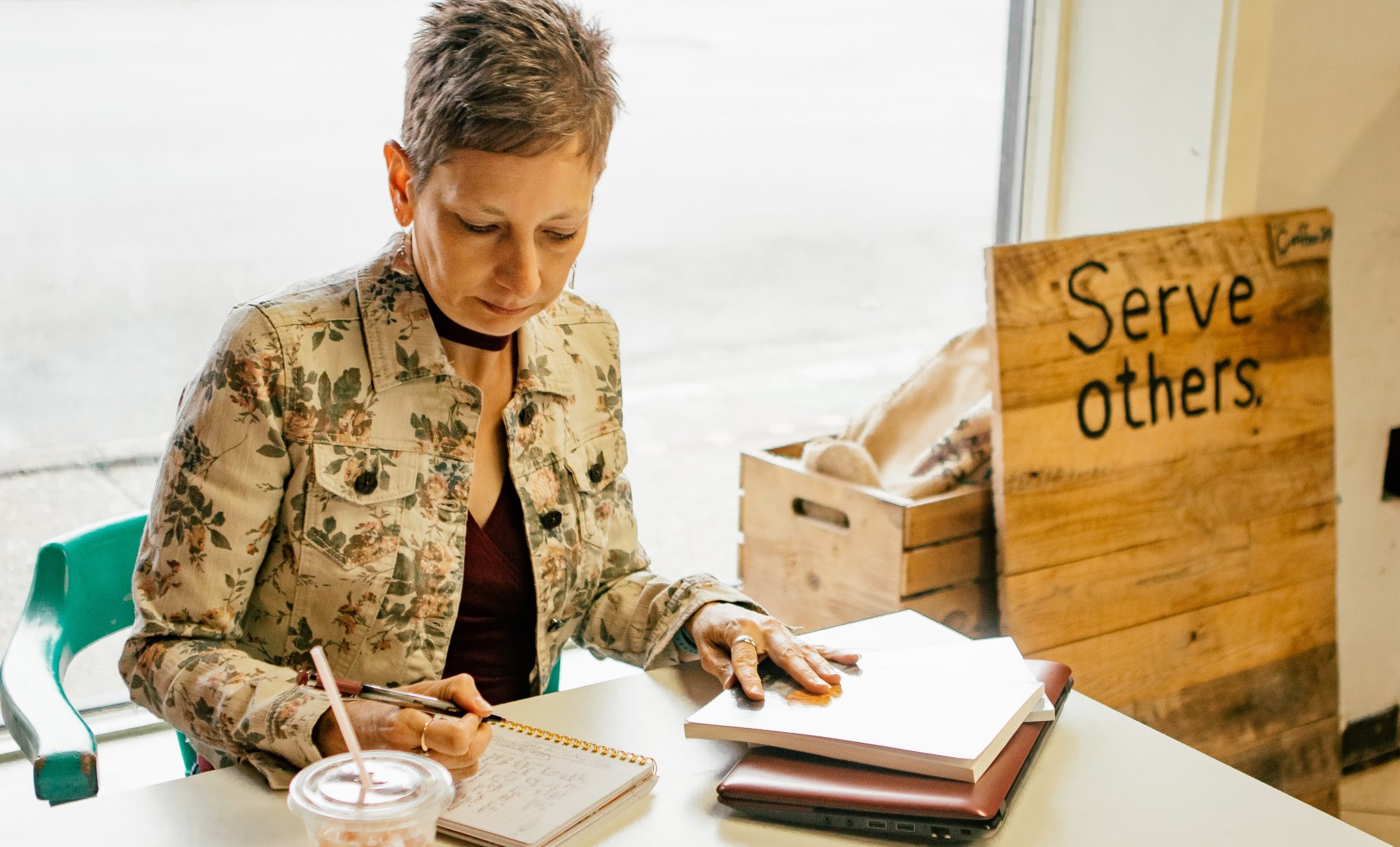

Where are the Turkeys?

On the cusp of the holiday season, it is only fitting to ask, “Where are the turkeys?” Every year, it seems that people decorate for Christmas earlier and earlier. I like both holidays for different reasons and have, at one point, said that Christmas was my favorite holiday. The last few years, however, I began saying that Thanksgiving was my favorite – but truthfully, it was only because I thought it was getting the short end of the stick. At the end of Halloween, or sometimes earlier, I noticed Christmas trees going up and neighbors hanging lights and planting inflatable snowmen in their yards. Why not a giant turkey instead or a grateful sign on your door?

Perhaps we must ponder why Thanksgiving comes before Christmas anyway. If Thanksgiving came after Christmas, all would be right with the world, and I am confident it would have its fair share of celebration. Still, for that to happen, the world would need to recalibrate its thinking about why we celebrate Christmas as the birth of Christ – instead of materializing it so they would indeed have a grateful heart.

After a little journey on the Encyclopedia Britannica site, I discovered that New England colonists first celebrated the days of thanksgiving with prayer, thanking God for blessings such as the end of a drought or a military conquest. The U.S. Constitution gave it a national proclamation. Still, in 1798, the new U.S. Congress gave power of declaration to the states, who were split about the religious holiday, with some even taking offense to politicians using the day for speeches and parades.

It did not become an official holiday until Northerners of the federal government dominated it. With tensions still heavy in the mid-19th century, it was Sarah Josepha Hale who campaigned for the national observance to promote unity. She finally won the support of President Abraham Lincoln, who, on October 3, 1863, during the Civil War, made it a national holiday to be celebrated on Thursday, November 26.

Thank you, President Lincoln…?

I propose a new proclamation – let’s celebrate Christmas’ true meaning year-round by showing kindness and love to others, and therefore, thanksgiving would naturally follow from everyone’s hearts, getting its fair share of celebration and recognition.

As I enter this season of Thanksgiving, I have so much to be grateful for – but this year, my heart is a little fuller. Thank you, Jesus. You always know how to give the best gifts.

“If you then, who are evil, know how to give good gifts to your children, how much more will your Father who is in heaven give good things to those who ask him!” (Matt. 7:11, ESV, Emphasis added).
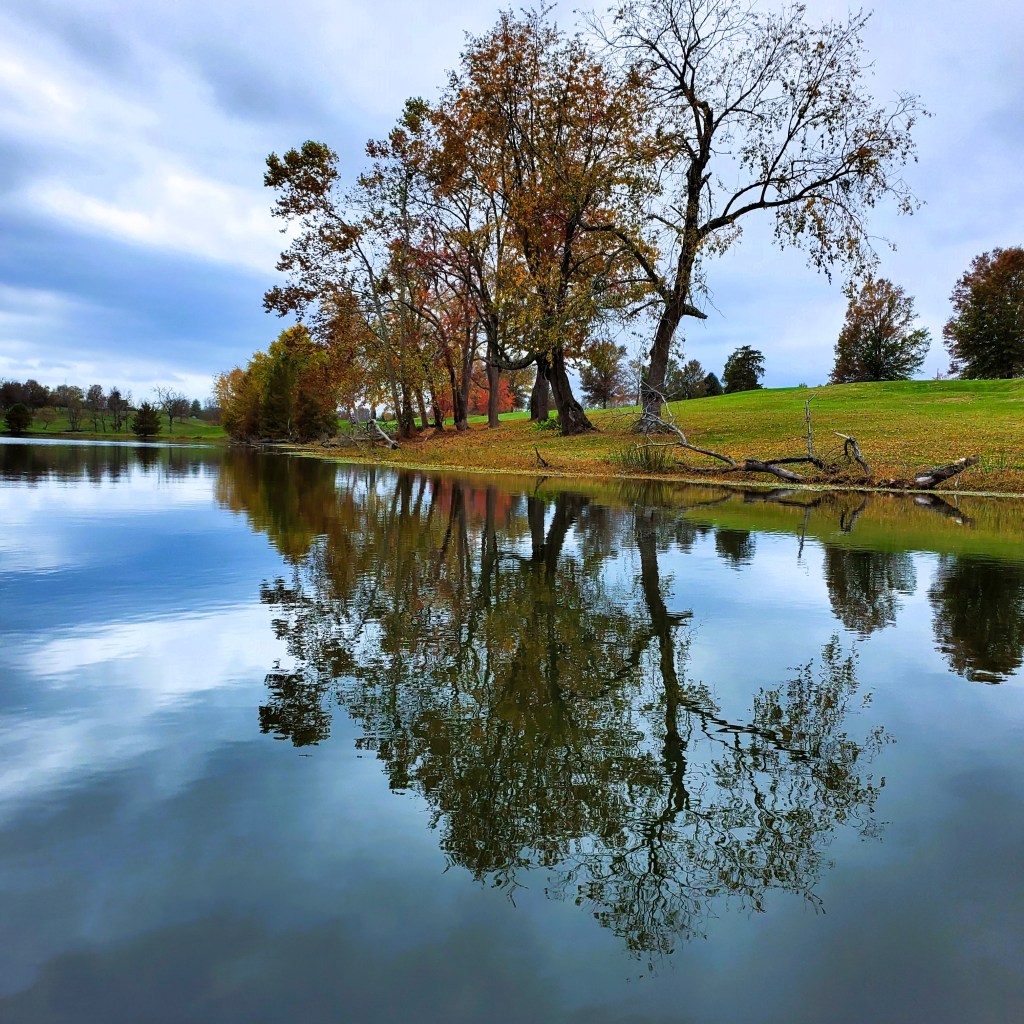
Reflections

This past weekend, I was frantically trying to finish writing my paper for class and keeping one eye on the weather so that if a window of opportunity opened, I would be ready to pounce and head to the lake for one last kayaking adventure for the season. As I finished writing the conclusion, I realized that the rain clouds had dissipated, and the sun began to peek through ever so slightly. This was a gift – and I didn’t let it pass me by.

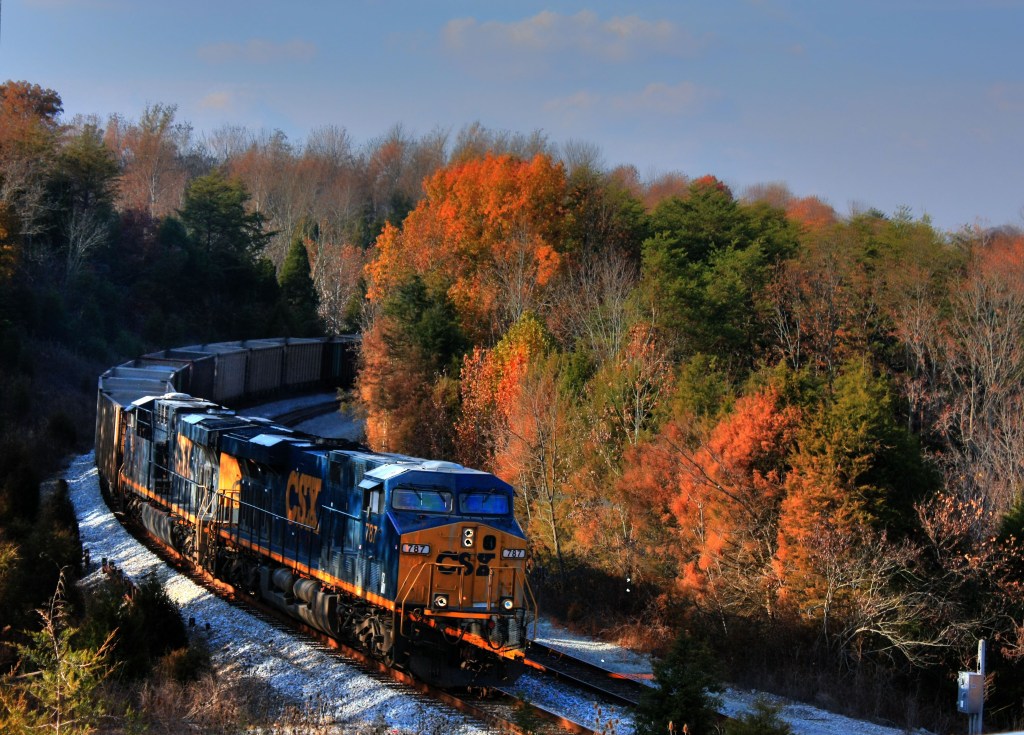
As I launched into the water, it seemed to be calmer than usual, and as you can see from the photo above, as I entered my favorite cove, I was enamored by the Fall colors and how the reflection on the water looked like glass. Over the last few weeks, I have gone to the same lake every weekend, but each time it presented a different experience. One weekend, the water was choppy, allowing the ripples to supply a bit of a workout as I was headed into the wind.

Another time, the sun was shining brightly as I maneuvered through the moss-covered waters to coast upon the cove and was greeted by a magnificent brown spotted egret that adorned the water’s edge. And there were a couple of weeks so chilly I had to wear a jacket. I am delighted to say that for my last hoorah, I did not need a coat this weekend.

I sat there, taking it all in for several solemn moments as the area surrounding the lake was bustling with activity from squirrels and birds– an awe-inspiring moment with the Creator I saw as another gift. Not only did I get to kayak to the middle of all this action and see fantastic views and fall colors, practically having the lake all to myself, but I was able to photograph them as well – another one of my favorite hobbies. (Combining hobbies makes me smile).

Being on the water gave me a different perspective than I had ever experienced when taking photos of Autumn colors. It was a new way to look at the trees. Upon further reflection, these variations at the lake made me think about the changes in our lives. Change, good or bad, can cause a certain level of anxiety at times. But as the Greek philosopher Heraclitus famously said, “Change is the only thing constant in life.”  How we look at change can make a difference.

As Christ-followers, we are called to constant change – through sanctification – to become more Christlike. It is a gradual change over time but a necessary one so that we can conform to the image of Christ (Rom. 8:29). Paul encourages the Romans not to conform to this world but to allow their minds to be renewed through transformation (Rom. 12:2). Striving for spiritual growth is paramount to this. We can begin to welcome these changes in our lives because we can experience a more intimate relationship with God, who, then, we can relate to as our Abba Father.

This kind of relationship can be found through the love our Father has for us and the love we give back to Him and others. Paul also tells the Romans that nothing in all creation will ever be able to separate us from the love of God (Rom. 8:39). Reflect on that for a moment. Isn’t that excellent news for sinners like us?

Next time you get to be in nature – whether on the lake or in the woods – take the opportunity to reflect on the awe-inspiring design of a loving God who redeems, restores, forgives, and accepts us just as we are. As we enjoy His creations as the gifts they are meant to be, we can begin to reflect on the unimaginable Paradise to come. What a day that will be.

“There is therefore now no condemnation for those who are in Christ Jesus” (Rom. 8:1, ESV, Emphasis added).

Tug of War

We struggle with a tug-of-war daily between the flesh and the spirit. It’s a continuous battle. I don’t know about you, but when someone gut-punches me with an unkind word, or I do not feel especially valued at work, my human side wants to pull me across the line into the muddy pit of self-pity or a pool of hurt pride or even anger, at times.

However, my behavior is more Christlike when zealously pursuing Christ and His truth and approval (2 Tim. 2:15, English Standard Version) than my own or what the enemy wants me to believe. I must remind myself to recalibrate my thinking to the mind of Christ to have the same attitude Jesus had (Phil. 2:5, New Living Translation). Then, I can pull the rope to the spirit side and find joy no matter my circumstances.

Emotions are fickle and cannot always be trusted. They make us do and say things we usually wouldn’t. Therefore, giving ourselves time to cool off and calm down before we act is wise.

The word Selah comes to mind. We see it mainly in the book of Psalms and once in Habakkuk 3. The Holman Illustrated Bible Dictionary explains that the term has an unknown meaning. Of course, there are several theories on the subject, one being a signal to pause for silence (Brand 2015, 1426).

Mels Carbonell agrees. In How to Solve the People Puzzle, he recommends using the acronym ACT to change our behavior. A – acknowledge and accept: Acknowledge who you are and accept the way you are made (when we understand our strengths and weaknesses, we can alter our behaviors). C – commit and control: Committing yourself to control your feelings, thoughts, and actions instead of letting them control you. T – think: Think before you do things. Pause and consider their consequences (Carbonell 2008, 304).

He says, “There’s an ancient proverb that loudly cries, ‘Selah.’ It simply means, ‘pause and think!’ I’ve told many people over the years to ‘think past the present.’ In other words, think past the present moment and consider the consequences of your actions” (Carbonell 2008, 305).

Good advice. In a nutshell, we can change our behavior for better outcomes. It can be our goal to tug the rope in a more spiritual direction.

“You must be quick to listen, slow to speak, and slow to get angry” (James 1:19, emphasis added).

Expect the Best

As my kayaking journey continues, I have discovered the peace of a deep Sabbath rest. I look forward to escaping the week’s cares by embarking on the lake’s calm waters after church each Sunday. I have decided to do more of what brings me joy, and kayaking in nature in the presence of God brings my heart joy. Once I get in the vessel and launch myself into the luring waters, my only focus is the quiet cove that has become my destination these last few weeks. Even this weekend’s cooler temperatures were not a deterrent, as I enjoyed the lake all to myself. What else can a girl ask for?

I asked God to show me how to get a deep Sabbath rest just a few weeks before finding my new hobby. As we put Christ first in our lives, we can expect His best – because Christ is the best.

When we ask for forgiveness, accept Christ into our hearts, and receive the gift of the Holy Spirit, it is like winning a trifecta – a win, win, win. Still, it does not mean we are exempt from the troubles in this broken world (John 16:33, English Standard Version); only that we can experience peace and joy no matter the circumstances around us. We can escape our worries by entering the deep rest God is offering. We cannot carry the weight of the world – but because of Jesus – we don’t have to.

“Come to me, all who labor and are heavy laden, and I will give you rest. Take my yoke upon you, and learn from me, for I am gentle and lowly in heart, and you will find rest for your souls. For my yoke is easy, and my burden is light” (Matt. 11:28, emphasis added).

When we make that decision, we become heirs to the King of Kings – we cannot do anything to get it, nor can we do anything to lose it. When Jesus went to the cross, the veil was torn from top to bottom. What does that mean? In the Old Testament, a curtain in the temple separated the most holy place from the holy place. People brought sacrifices for their sins to the high priest, and only he could enter the most holy place (where God’s Spirit resided) and then only on the Day of Atonement. He presented the sacrifices to God on their behalf (Lev. 16:2; 2 Chron. 3:14).

With the new covenant, Jesus became the ultimate sacrifice for all sins. The promises of God find their Yes and Amen in Christ (2 Cor. 1:20). The curtain between God and humanity was torn at Jesus’ death. He abolished the barrier that separated us from His presence (Matt. 27:51; Mark 15:38; Luke 23:45). The Hollman Bible Dictionary explains, “Through faith in Christ the veil is removed, and believers enjoy free access to God who transforms life” (Brand 2015; 2 Cor. 3:15-18).

The temple and most holy place of the Old Testament that once housed the Glory of the Lord (Ezek. 41:23; I Kings 6:17) now lives in the hearts of believers through the gift of the Holy Spirit (Acts 10:45). This is why in the New Testament Paul says our bodies are the temple of God and we are made more and more like Him as we are changed into His glorious image (1 Cor. 6:19-20).

When we focus on our destination and path forward – keeping our eyes on Jesus – the author and finisher of our faith ((Heb. 12:2), we can enjoy the journey even more. We can expect a deep Sabbath rest away from the cares of this world, even amidst everything going on around us. It’s like being on a calm lake alone in the presence of God and His magnificent creation. This is the Good News of the Gospel that combats and overshadows the bad news of this broken world and allows us to experience peace now as we look forward to an eternal resting place with our Heavenly Father.

What brings your heart joy? Does it give you a deep Sabbath rest away from the cares of this world so you can be refreshed? If so, do more of that. Not sure what that looks like in your life – ask God to show you your deep Sabbath rest. When we put God first, we can expect His best.

Now the Lord is the Spirit, and where the Spirit of the Lord is, there is freedom” (2 Cor. 3:17, emphasis added).

Brand, C. ed., (2015) Holman Illustrated Bible Dictionary, B & H Publishing.

CTRL+ALT+DELETE

We’ve all been there – in the middle of an important task, and the computer program locks up. You cannot go forward or back. Finally, you hit CTRL+ALT+DELETE, select the end task, and start over. You try again with a fresh start.

God can be that in our lives. Granted, we don’t have a button to push that erases all our past pain, but like the command above, when we get stuck, God gives us the grace to begin again; we can end the painful tasks and start over with a clean slate.

“Great is his faithfulness; his mercies begin afresh each morning” (Lam. 3:23, New Living Translation, emphasis added).

Consider the story of Zacchaeus. He was a tax collector who was habitually dishonest in his dealings with others. Yet, when he saw Jesus coming, he climbed into a sycamore tree to see him over the crowd. He not only saw Jesus, but Jesus saw him and knew him by name. Jesus told him to come down so he could go to his house and eat with him.

Others scoffed at Jesus for going to the house of a sinner. The account in Luke 19 refers to Zacchaeus as a chief tax collector in Jericho. According to the ESV Study Bible, the city was a significant toll collection point for goods passing east and west. Still, Jesus forgave Zacchaeus and gave him a new beginning.

According to the Holman Illustrated Bible Dictionary, he was converted, and because of his newfound faith, he restored the money he had taken wrongfully with interest (Brand 2015, 1687). “If I have defrauded anyone of anything, I restore it fourfold” (Luke 19:8, English Standard Version). When we get above the crowd and what others think of us to focus on Jesus and who He says we are, we can see more clearly, gain a new perspective, and accept God’s grace to begin again.

Jesus tells him that salvation has come to his house (Luke 19:9). This shows that nothing is impossible with God; even a wealthy man can be saved. If you recall, just a few verses earlier, Jesus told his disciples how difficult it is for a rich person to enter the Kingdom of God (Luke 18:24-25). However, Jesus follows by saying, “What is impossible with man is possible with God.” (18:27, emphasis added). In other words, it is impossible for the rich (or anyone else) to enter God’s Kingdom on their own merits or even to want to seek God above all else, apart from His marvelous grace. In this example, the ruler loved his riches more than God and went away sad. But not so with Zacchaeus. He repented and joyfully gave away more than what he had taken so He could spend eternity with Christ.

We are offered the same grace by a God who cannot lie and sent Jesus before us as a forerunner on our behalf (Heb. 6:18, 20). We can begin again. If we accept the grace Christ offers, we will eventually eat a feast at the banquet of our King. This hope is like a sure and steadfast anchor for our souls (Heb. 6:19). The next time we find ourselves stuck, remember we can always hit CRTL+ALT+DELETE and ask God to help us end our current task and give us a fresh start.

“This means that anyone who belongs to Christ has become a new person. The old life is gone; a new life has begun!” (2 Cor. 5:17, Emphasis added).

God is Not a Genie

“Delight yourself in the Lord, and he will give you the desires of your heart” (The Bible. ESV Study Bible. English Standard Version. Ps. 37:4, Emphasis added).

This verse sometimes needs to be better understood. God is not a genie in a bottle that we can expect to give us everything we want. We must focus on the first part of the verse – “Delight yourself in the Lord” (Ps. 37:4, emphasis added), to help us understand the context of the message. When our hearts are in the right place with God, we will delight in Him, and therefore, we will want Him over everything else. Additionally, we will align with what He desires most: to be with us. When we align with His ways, we will enjoy Him more.

We may have good intentions, but even our most heartfelt and sincere desires that are anything other than Him first are considered selfish. We cannot expect God to give us all our wishes. Only when we put Him foremost above all else will everything be in its proper place, humbly and delighting in His presence, we can relinquish control. This posture unblocks our hearts to receive the Holy Spirit as He moves according to His will and purpose. Jesus warns that wherever our treasure is, our hearts will follow (Luke 12:34). The nature of our hearts will reveal what we value most. This emphasizes the importance of what we love – the character of our heart – the center of our being and most profound desires, including reason, convictions, emotions, and will. Jesus explains that what comes from our mouth proceeds from the heart (Matt. 15:18).

When our heart delights in God, He changes our hearts to want the right things.

He is the giver of every good gift (James 1:17), and He delights in supplying provisions when we acknowledge Him as our Father and express our gratitude and need for Him. Nevertheless, He is not obligated to us for anything. Many heartaches in our lives are misunderstood while we are going through them. However, we can rest assured that our sincere prayers are heard. They are addressed. The goodness of God is embedded in His character. He is a God who sees us and cares about us. His heart breaks when we are in pain, just like a good father who cares for his child. Just because we cannot see the end or how it will turn out does not mean He is not there for us. Jesus says, “I will be with you always” (Matt. 28:20, emphasis added).

Propel Forward

Kayaking on a serene lake has been a vision of mine for a few years. Not knowing how to kayak alone kept me from making it a reality until recently. While strolling through the Lexington Parks & Recreation website, I stumbled upon an introduction to kayaking class at Jacobson Park. I eagerly signed up. This was the perfect opportunity.

After being instructed on land, I embarked on my maiden voyage with a few other participants, each in a brightly colored teal or red vessel. Landing my bum in the seat was not a graceful act by any stretch of the imagination. However, I did manage it and began to focus on the technique our instructor gave us.

After several minutes of ensuring we were secure, she turned us loose on the lake to roam at leisure and try our new skills. I headed for the other end of the lake to a cove filled with many kinds of waterfowl.

To propel forward at the smoothest pace possible, focusing on the paddling technique, which did not come naturally, was critical. As I improved my new skills, my body began to sway from side to side with each stroke, creating a motion I still feel when I close my eyes and imagine I am on the lake. It is a tranquil place to be.

I realized afterward that everything else on my mind that morning had vanished as I peacefully made my way across the quiet waters, focusing on my technique so that I could do my best to master the new skills and enjoy the journey.

Isn’t that what we are called to do in life? Focus on improving ourselves and being our best for God instead of looking at the mistakes of others, pointing fingers, and complaining. When I am focused on my flaws, improving myself, and trying to please God daily in my words and deeds, I don’t have time to criticize others. This makes the journey more enjoyable in light of God’s grace and love as I try to master these new techniques and learn to love others well.

God is not done. He is always working. He has the final say. I am a work in progress, and so are you. I have more peace at the end of the day when I show others the grace that God has shown me and work to please God, not people. That is the best way to propel our relationship with Christ forwardand experience the peace that surpasses understanding.

The kayaking class was an outstanding experience that gave me the confidence to go again, hopefully in the not-so-distant future. God gives us strength in our weakness, courage to overcome fear, and the God-confidence we need to embrace who He created us to be.

“And the peace of God, which surpasses all understanding, will guard your hearts and your minds in Christ Jesus” (Phil. 4:7, ESV, emphasis added).

“My grace is all you need. My power works best in weakness” (2 Cor. 12:9, NLT, emphasis added).

Love: Still the Most Important Thing

All sins separate us from God. One sin is not more important or worse than another. We tend to emphasize certain sins rather than see them all the same. We are all born sinners in a broken world because of Adam and Eve (The Bible. New Living Translation. Gen. 3: 1-24; Rom. 5:17). There is one sin, though, that we are encouraged to run from: sexual immortality (I Cor. 6:18) because it is against our bodies. Nevertheless, we are all traveling in the same boat in the same direction. Still, God’s grace is sufficient and redeems our sins when someone repents and accepts Jesus (Acts 3:19). This is because of His love for us.

Let us imagine for a minute that we are all on this proverbial boat I mentioned. We cannot navigate the treacherous waters alone. When we begin to sink, God’s love and grace, through His Son Jesus, throws us a life preserver. We can accept it, be saved, or reject it and continue to sail down the river of destruction in the boat of self-righteousness on a disaster course.

Once we repent of our sins and accept Christ, we are forgiven forever and receive the gift of the Holy Spirit (Acts 2:38), who guides us for the rest of our journey. We still have the temptation to sin, but with God’s help we can overcome them because we are victors in Christ (Col. 2:14). We are not to continue in our old life or return to the boat but be renewed every day to the likeness of Christ (Rom. 6:1-2).

We can also experience joy and a piece of His kingdom while we wait for our eternal home, but we are not meant to pursue happiness in this life as a destination. C.S. Lewis put it this way, “If you think of this world as a place intended simply for our happiness, you find it quite intolerable: think of it as a place of training and correction, and it’s not so bad” (Lewis 52). Happiness comes from our circumstances; joy comes from our relationship with Christ, regardless of our circumstances.

There are many different beliefs, and we do not all agree, but no matter what our neighbor believes, we are still called to love them (Lev. 19:18; Matt. 22:39; Rom. 13:8). In this way, we honor God. Above all else – we are to love God first. When our priorities are correctly aligned, it becomes easier to love others as we see them in God’s image (Gen. 1:27; 2 Cor. 3:18).

“We love each other because he loved us first” (I John 4:19, emphasis added).

Works Cited

Lewis, C.S., God in the Dock. Eerdmans, 1994.

The Bible. NLT Study Bible. New Living Translation Version. Tyndale, 2008.

God’s Masterpiece

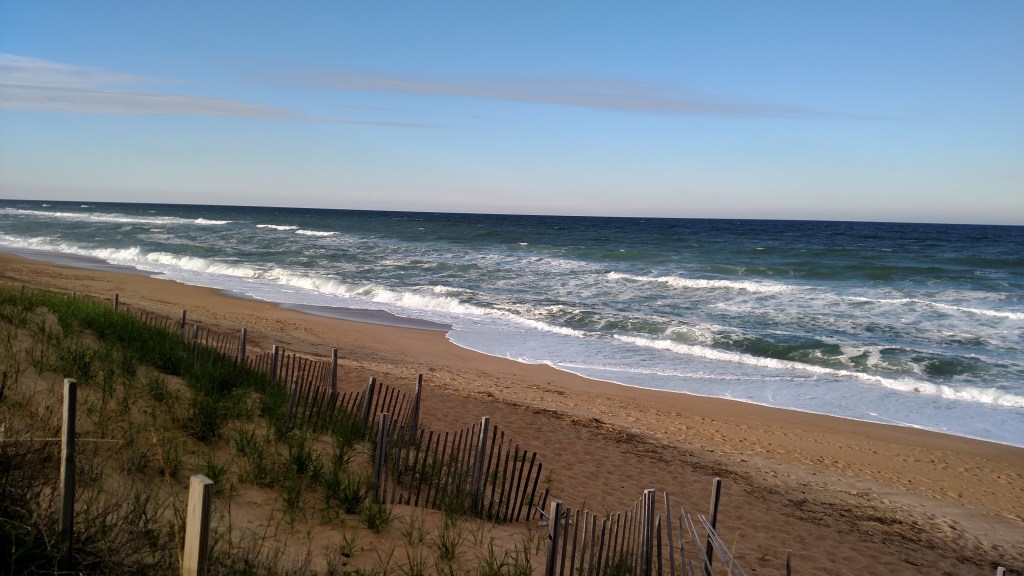
If you have ever hunted for sea glass at the beach while on vacation, you know that it can be a fun pastime, and sometimes it is hard to find. When you find a piece, it is worth the effort. But have you ever thought about how long it takes to form? According to an article by the science website Geology Page, it can take thirty to forty years, or in some cases, a century.

The saltwater weathers the colored glass and adds to the design, giving it a frosted appearance. Many people use it to make jewelry and other unique art pieces. However, it started much differently. It takes time to be a finished and stunning work of art. It likely began as a jagged piece of broken glass from a beverage bottle or other discarded item. You could say it was just a piece of garbage that spent years tumbling around in the water. It was rough around the edges and painful if you cut yourself with it. 

Given our broken nature, this is how we start. Our hearts are rough around the edges, and we cause others pain. Others sometimes discard us as trash, and we end up in a sea of troubled waters. Then God lifts us out of the mire, just as we are. He begins to shape us and smooth out our rough edges. However, like sea glass, it takes time; we are a work in progress – God’s masterpiece. He created us in His image (The Bible. English Standard Version, Gen. 1:27). Although we are not perfect because of sin (Gen. 3:6), He wants us to strive to be more like Jesus.  However, not in our performance (Titus 3:5; Rom. 11:6) but in how we love God and people (Matt. 22:37-39). The Hollman Illustrated Bible Dictionary notes that our good works are insufficient to earn our salvation but will naturally flow from a life of saving faith in Christ (Brand 1669).

Our lives are like shards of brokenness awaiting transformation only accessible through our Savior, Jesus Christ. Like sea glass, sometimes we tumble and fumble around for years before we begin to take shape, as God forms our character and helps us become a beautiful piece of art that the Master delights in blessing so we can be a blessing to others.

“Therefore, if anyone is in Christ, he is a new creation. The old has passed away; behold, the new has come” (2 Cor. 5:17, emphasis added).

“Jesus said to him, ‘I am the way, and the truth, and the life. No one comes to the Father except through me’ ” (John 14:6, emphasis added).

Peter’s Denial

Would you want to be in Peter’s shoes when he realizes Jesus’ prophetic prediction of his denial has just come true? Peter’s famous last words to Jesus, as we read them in the book of Mark, were, “If I must die with you, I will not deny you” (The Bible, ESV Study Bible. English Standard Version. Mark 14:31, emphasis added). Jesus had just told Peter that he would deny Him not just once but thrice that night before the rooster crowed twice (Mark 14:30). Jesus predicted Peter’s denial of Him.

Peter boasted of his loyalty before danger struck. Still, sure enough, when push came to shove, Peter felt fear sweep over him as he warmed himself by the fire. While Jesus was being questioned, spit on, and beaten – he denied knowing Jesus. Just then, a rooster crowed, and then again, he denied it, and the third time, he swore that he did not know Jesus. Each denial is more intense, but he recoiled when the rooster crowed for the second time. Saddened, Peter remembered the words of Jesus at that moment and wept bitterly when he realized what he had done (Mark 14:66-72). His betrayal probably made him think of himself as another Judas. We must remember that his treachery had happened just moments before. Peter may fear that he cannot be forgiven considering what Jesus said: whoever denies Him, He will deny before the Father (Matt. 10:33).

Nevertheless, as we read in the book of John, after Jesus’ resurrection, upon finishing breakfast, Jesus takes Peter aside for a private conversation. He asks him three times if he loves Him, each more intensely. Does that sound familiar? Peter gets frustrated and hurt by Jesus’ questioning, but each time, we see Jesus asking Peter to feed and tend to His lambs and sheep (John 21:15-17 emphasis added). Through everything, Jesus knows Peter needs restoration. He offers grace, letting Peter know He has forgiven him and that God can still use him for Kingdom work (Osborne 291).

Today, we can all say we have fallen short and sometimes betrayed or denied Jesus. Still, in His grace, God offers restoration and opportunities to use us to further the Kingdom by feeding His sheep, although He does not need us to complete His mission. What a blessing that He chooses to use us. I pray we turn to Him in repentance when we fail so our fellowship with Christ can be restored.

Works Cited

Osborne, Grant R. Mark, Baker Books, 2014. ProQuest Ebook Central, https://ebookcentral.proquest.com/lib/liberty/detail.action?docID=3425695.

The Bible. ESV Study Bible. English Standard Version. Crossway, 2001.